Blog · Inventories
Mid-term inspection
A tenancy that renews gives everybody a reason to look at the property. Tenancies no longer renew, so unless somebody books a mid-term inspection, nobody goes.
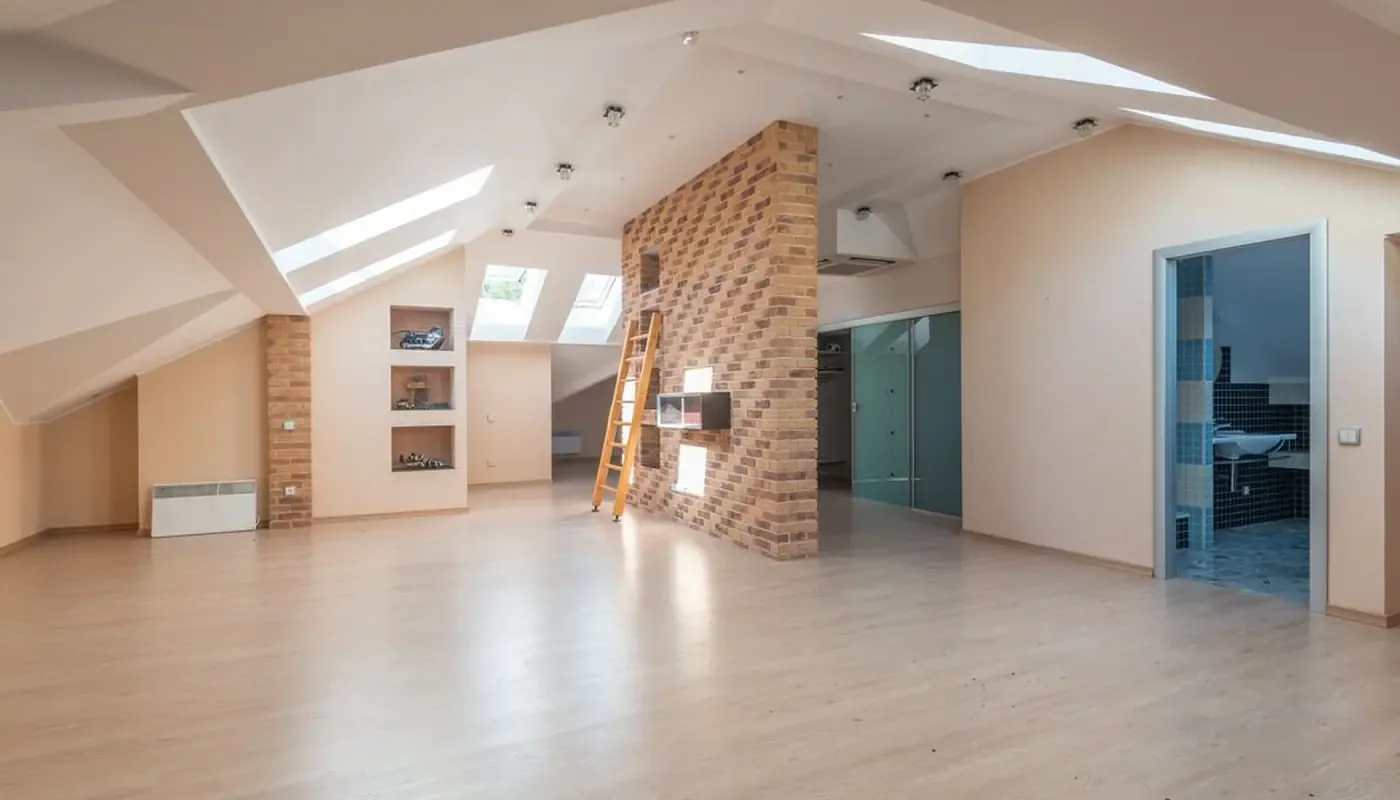
A mid-term inspection used to be optional, because the tenancy calendar did the job for you. A twelve month term ended, a renewal was discussed and somebody went round. Since 1 May 2026 tenancies simply roll on with no end date, so there is no renewal moment. Unless a visit is booked on purpose, nobody sees the property between the check-in and the day the keys come back, and that could be years.
How often to book a mid-term inspection
There is no legal frequency. The usual pattern is a first visit about three months into the tenancy, then one every six months. The first visit matters most: it shows whether the tenant has settled in, whether anything was missed at the check-in, and whether a small problem is starting.
More often than every three months is rarely worth it. Tenants have a right to quiet enjoyment of their home, and visits frequent enough to feel like supervision can tip into harassment.
Notice and access
Under section 11(6) of the Landlord and Tenant Act 1985, a landlord, or somebody they authorise in writing, may enter at a reasonable time of day to view the condition of the property, after giving at least 24 hours' notice in writing. Notice gives you the right to ask. It does not give you a key to let yourself in over an objection.
Two habits avoid most of the friction. Agree the pattern at the start of the tenancy, so the first visit is expected rather than a surprise. Then send written notice every time, offering two or three times, even when the tenant is relaxed about access. The paper trail protects everybody if the relationship later sours.
What a mid-term inspection should record
The visit is not an inspection of the tenant. It is a search for the things that are cheap to fix now and expensive later, recorded while the tenancy is still running.
- Damp, condensation and mould, photographed and dated. This is the most useful thing a mid-term visit produces.
- Leaks, under sinks, around baths and behind washing machines, where a slow drip becomes a floor.
- Smoke and carbon monoxide alarms, tested on the day, with the result written down.
- Repairs the tenant has not reported. Plenty of people simply never ring.
- Who is living there. Occupants who are not on the agreement are far easier to address in month six than at the end.
- Outside: gutters, fences, paths and the garden, which a tenant's photographs rarely show.
- Pets. Tenants can now ask to keep one, and a landlord cannot unreasonably refuse, so the arrangement is worth recording either way.
Each item deserves the same treatment as a line in the check-in report: what it is, where it is, its condition, the date and a photograph. A visit that ends in a paragraph saying "all fine" is barely worth making.
Why a dated record matters more each year
Two changes are heading for private lettings, and both turn on the same question: when did the landlord know about a problem, and how quickly did they act?
The new Decent Homes Standard, confirmed in the Government's policy statement of January 2026, will apply to privately rented homes from 2035. One of its five criteria is that a home is free of damp and mould. Awaab's Law, which sets deadlines for dealing with damp, mould and other hazards in social housing, can be extended to private landlords under the Renters' Rights Act. No date has been set yet, and the Government will consult first.
Nobody needs to panic about either date. But an agent who can show dated reports recording when damp was first seen, what was done and how fast is in a far stronger position than one relying on memory. That file is built one visit at a time. It cannot be created afterwards.
The deposit benefits too. On a tenancy that runs for five years, the check-out is compared with a check-in that is five years old. A mid-term report in between shows when damage appeared, which helps separate genuine damage from fair wear and tear when the deposit is finally argued over.
So the mid-term inspection has changed job. It used to be a courtesy check between renewals. On a rolling tenancy it is the only planned record of the property until the tenant leaves.
Related: check-out reports on a rolling tenancy, deposit protection under the new tenancy rules and what letting agents must do differently since 1 May.
Emilecon's mid-term inspection is £80 for any size of home, covering every London postcode, Monday to Saturday. The report is photographed and timestamped, and delivered within 3 hours of the visit with anything needing action listed first. Send the details and a time is agreed with you.
Sources: Landlord and Tenant Act 1985, section 11 on access and notice; The new Decent Homes Standard: policy statement on GOV.UK; the Renters' Rights Act: an overview for landlords on GOV.UK. This is general information, not legal advice.
Need this done on a real property?
Emilecon writes independent inventories and scans 3D tours across Greater London. Available Monday to Saturday, last minute bookings taken, and the report delivered within 3 hours of the visit.
Book inspection