Blog · Deposits
Who pays for end of tenancy cleaning
It is the single most argued line on any deposit deduction, and the one landlords lose most often. Not because the property was clean, but because nobody proved how clean it started.
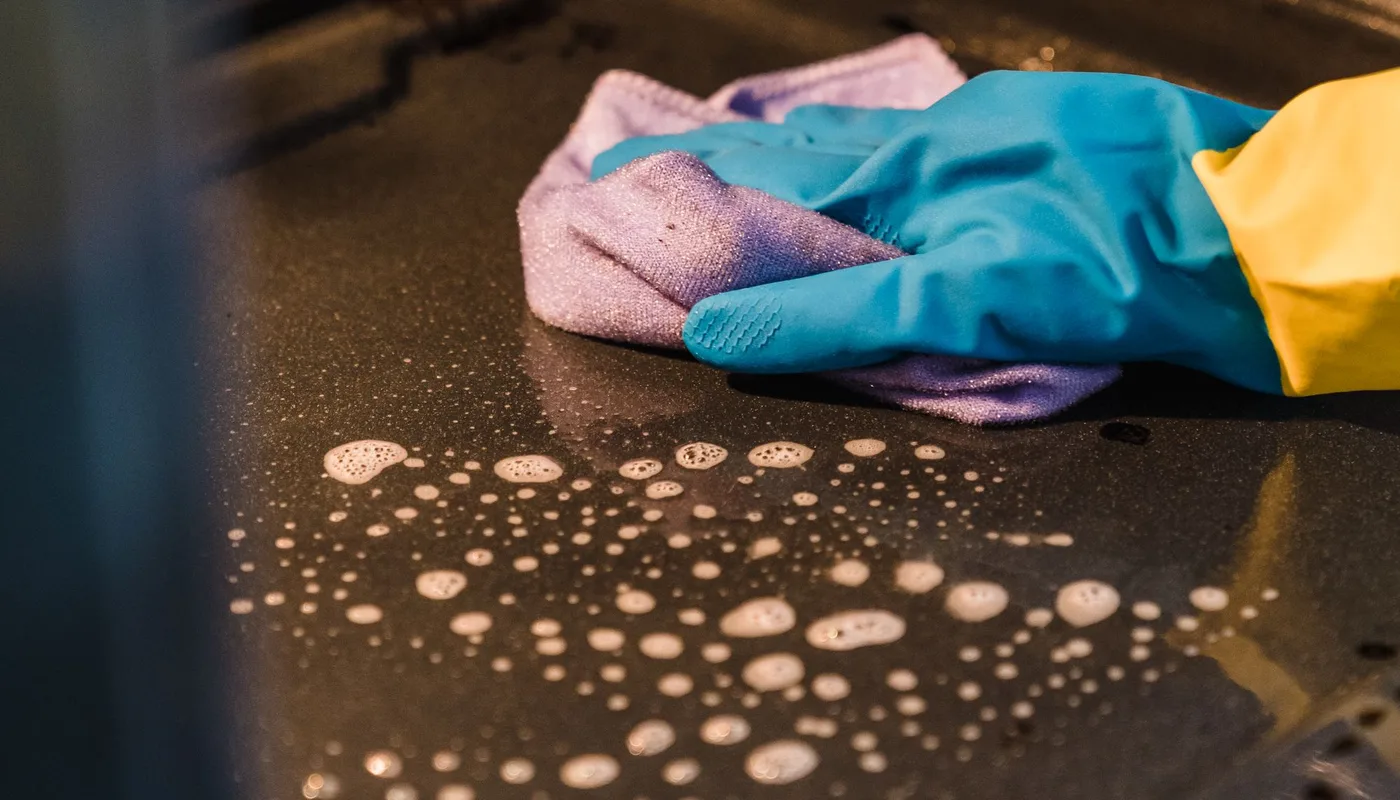
End of tenancy cleaning is the most argued line in British lettings. It appears in around half of the disputes the Tenancy Deposit Scheme adjudicates, ahead of damage, ahead of redecoration and ahead of rent arrears. It is also the deduction landlords and agents lose most often, and the reason is almost never that the property was actually clean.
The standard is not "clean", it is "as clean as it was"
There is no legal definition of clean, and an adjudicator will not invent one. The tenant's obligation is to return the property in the same condition it was received, allowing for fair wear and tear. Cleanliness is not subject to wear and tear, so in principle a property let clean should come back clean.
The catch is in the words "as it was received". That is a comparison, and a comparison needs two records. If the check-out says the oven is dirty and the check-in says nothing at all about the oven, there is no comparison to make, and the adjudicator has no basis on which to award anything.
This is why professional cleaning receipts so often fail. A receipt proves money was spent. It does not prove the money needed to be spent.
What an adjudicator will award
- A return to the documented starting standard. If the check-in showed a professionally cleaned property and the check-out shows otherwise, the cost of getting back there is recoverable.
- The specific items, not the whole property. Awards are routinely reduced to the oven, the extractor, the bathroom and the carpets, because those were the only items evidenced.
- A proportion, where the evidence is partial. Adjudicators frequently award a third or half of a quote rather than refusing it outright.
What an adjudicator will not award
- A clause requiring professional cleaning as a condition of the tenancy. Since the Tenant Fees Act 2019, a term obliging the tenant to pay for professional cleaning at the end of an assured tenancy is a prohibited payment in England. The obligation to return the property clean survives. The obligation to buy a particular company's service does not.
- Betterment. A carpet cleaned to a better standard than it was let is not the tenant's cost.
- Anything described only as an opinion. "Property left in a poor state" is not a finding. It is a complaint.
The four rooms that decide it
Cleaning disputes are extremely predictable. They concentrate in the same places every time, and every one of them is a place a photograph settles instantly.
- The oven, inside, including the door glass, the shelves and the grill pan. Photograph the interior at check-in, not the closed door.
- The extractor filter, which is almost never mentioned at check-in and almost always mentioned at check-out.
- The bathroom, specifically the shower screen, the sealant line, the toilet behind the pan and the extractor vent.
- Carpets, where the argument is usually about whether the marking is dirt or wear. Photograph the traffic lanes and the thresholds at the start.
How to stop having the end of tenancy cleaning argument
Record the cleaning standard at check-in with the same seriousness as damage. Photograph the four areas above, describe them in words a stranger can picture, and get the report in front of the tenant with a window to disagree.
Then at check-out, compare like with like. Same rooms, same angles, same level of detail. An adjudicator reading two matching records can see the difference in seconds. An adjudicator reading a detailed check-out against a vague check-in can only find for the tenant.
Nobody wins an end of tenancy cleaning dispute at check-out. It was already won or lost on the day the tenant collected the keys.
Emilecon writes check-in and check-out reports across Greater London that record cleanliness as evidence rather than as an adjective, so the comparison is already there when somebody asks for it.
Sources: Tenancy Deposit Scheme adjudication data reported by the National Residential Landlords Association, and the Tenant Fees Act 2019. This article is general information about deposit adjudication and is not legal advice.
Need this done on a real property?
Emilecon writes independent inventories and scans 3D tours across Greater London. Available Monday to Saturday, last minute bookings taken, and the report delivered within 3 hours of the visit.
Book inspection