Blog · Facilities
The community hall compliance checklist
Nine questions a trustee should be able to answer about their building. Many committees can answer only some of them, and the gap tends to surface when an insurer asks.
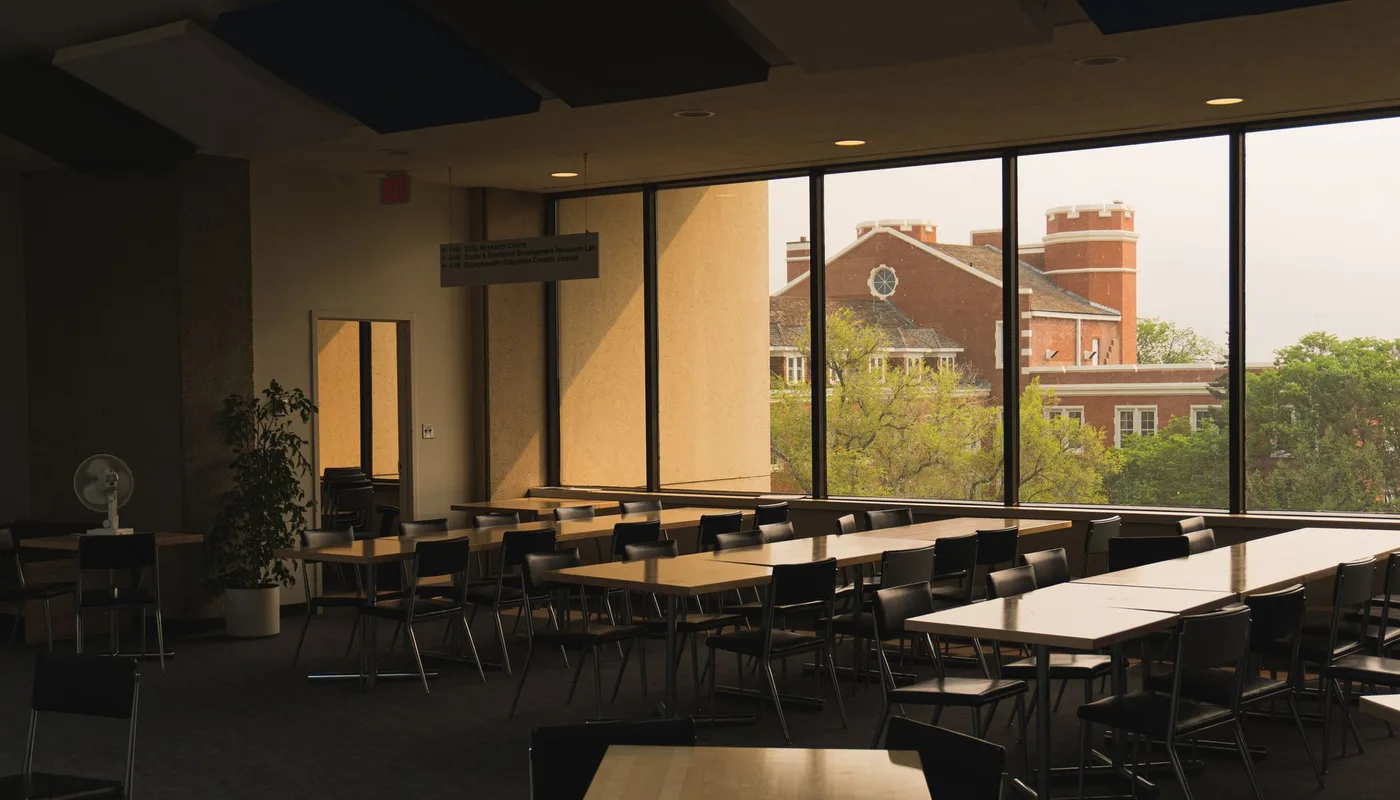
Community hall compliance is a strange corner of property. The legal duties attached to a building the public walks into are essentially the same whether it is run by a facilities company or by six volunteers who meet on a Tuesday. The resources are not remotely the same, and the gap only becomes visible at the worst possible moment: an insurance claim, an inspection, or an incident.
None of what follows is difficult. It is simply a list, and many committees will find they can answer only some of the nine.
Nine community hall compliance questions
- Is there a written fire risk assessment, and is it current? For non-domestic premises this is required under the Regulatory Reform (Fire Safety) Order 2005, and since 1 October 2023 responsible persons must record it in full, whatever the size of the building. A conversation about fire safety is not a fire risk assessment.
- Who is the responsible person, and do they know it? The duty attaches to whoever has control of the premises. On a committee this is frequently assumed rather than agreed, which is how it ends up belonging to nobody.
- When were the fire alarm and emergency lighting last tested? The convention under BS 5266 is a monthly function test and an annual full duration test for emergency lighting, with the results written down. The log is the evidence, not the testing.
- Is there a valid gas safety certificate? Annual, by a Gas Safe registered engineer, for the appliances and pipework in the building.
- When was the fixed wiring last inspected? An electrical installation condition report is commonly recommended at five yearly intervals for premises of this kind, and more often where the building is heavily used.
- Has a legionella risk assessment been done? Required under the Health and Safety at Work Act framework and the HSE's approved code of practice. Halls with little used showers, kitchens and long dead legs of pipework are exactly the risk profile it exists for.
- If the building predates 2000, where is the asbestos register? The Control of Asbestos Regulations 2012 place a duty to manage on whoever is responsible for non-domestic premises.
- What reasonable adjustments have been considered? Access is an Equality Act 2010 duty and applies to a hall hired out to the public.
- Are the accident book, the inspection records and the certificates in one place somebody else could find? This is the question that decides how a claim goes, and it is the one most often answered with a name rather than a location.
Martyn's Law is coming, and halls are in scope
The Terrorism (Protection of Premises) Act 2025, known as Martyn's Law, received Royal Assent on 3 April 2025. Community centres and village halls are among the premises it covers.
Buildings where 200 to 799 people may be present fall into the standard tier, which is the lighter of the two. The requirements are proportionate: notify the regulator, put in place simple procedures, and make sure people know what to do. It is not a demand for security infrastructure.
The Home Office issued statutory guidance on 18 May 2026. Commencement has been signalled for spring 2027 and the implementation period was always expected to be at least twenty four months from Royal Assent, but the date is subject to formal confirmation, and there is no duty to comply until the Act is in force.
The practical point for a committee is that capacity is the trigger. If your hall can hold 200 people, this will apply to you, and the cheapest time to work out your procedures is before the deadline rather than during it.
Why this ends up on one person's desk
Every item above is straightforward on its own. The difficulty is that they arrive on different cycles, from different contractors, addressed to different people, and none of them shouts when it lapses. A gas certificate expiring is silent. A fire door propped open is silent. A register nobody can find is silent right up until somebody asks for it.
That is an administrative problem rather than a technical one, and it is solved by one person holding the calendar and the file.
The test is not whether the building is safe today. It is whether you could prove it was safe on a date eighteen months ago.
Emilecon takes on facilities management for halls, faith buildings and small mixed-use property in London, including the compliance calendar and the records behind it.
Sources: Regulatory Reform (Fire Safety) Order 2005 and the recording duty in force from 1 October 2023, HSE guidance on legionella and asbestos, BS 5266 for emergency lighting, and the Home Office and ProtectUK material on the Terrorism (Protection of Premises) Act 2025. This is general information, not legal advice, and a hall's specific duties depend on its use and occupancy.
Need this done on a real property?
Emilecon writes independent inventories and scans 3D tours across Greater London. Available Monday to Saturday, last minute bookings taken, and the report delivered within 3 hours of the visit.
Book inspection